J-List Blog Explores Laputa's Gulliver's Travels Origins and Meme Culture

A J-List blog post highlights the 300th anniversary of Jonathan Swift’s 1726 novel Gulliver’s Travels, noting its influence on Studio Ghibli’s 1986 film Castle in the Sky. The article explains that the title Laputa derives from a Spanish word for a prostitute, an intentional joke by Swift that caused localization issues outside Japan. It details how the floating city represents abstract science useless to humanity, mirroring Swift’s satire of the Royal Society.
The piece also covers the film’s status as Studio Ghibli’s first official production following Nausicaä of the Valley of the Wind. It describes the "Festival of Balse," where Japanese viewers tweet the destruction spell simultaneously during TV broadcasts, occasionally crashing servers. Additionally, it mentions Joe Hisaishi’s acclaimed soundtrack and the voice acting connection between characters Pazu and Sheeta.
Summary written with AI assistance by the Hentaidude News Desk from the original report by Peter Payne at J-List Blog and checked by our automated quality rules. Details may change; see the source for the full story. How we write summaries
Original headline at J-List Blog: “300 Years of Laputa!? Why Ghibli’s Castle in the Sky Makes Some Fans Giggle”
Key facts
- Release Year
- 1986
- Studio
- Studio Ghibli
- Composer
- Joe Hisaishi
Tags
- #Castle in the Sky
- #Gulliver's Travels
- #Joe Hisaishi
- #Jonathan Swift
- #Laputa
- #Studio Ghibli
Background
Earlier stories from our archive that give context to this one.



Related stories
More anime: Related stories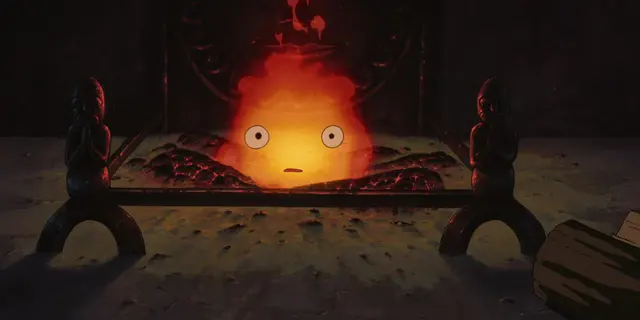
HBO Max to Stream Howl's Moving Castle Calcifer ASMR Video on November 1
This November, HBO Max revives a classic Ghibli video that lets Howl's Moving Castle fans get snug and cozy with with Calcifer the fire demon.
via CBR Anime

Joe Hisaishi Appointed LA Philharmonic Composer-in-Residence
Orchestra's new post is part of 5-year artistic partnership, involves composing new works
via Anime News Network

Studio Ghibli Unveils 2027 New Year's Stamps Featuring Totoro and Catbus
Studio Ghibli's official store unveils an adorable New Year's stamp collection featuring Totoro, the Catbus and other delightful characters.
via CBR Anime

Studio Ghibli Extends 'A Night in the Valley of Witches' Screening to 2027
Studio Ghibli's latest anime release, which pays tribute to Howl's iconic castle, earns a special extended run at Ghibli's official screening room.
via CBR Anime
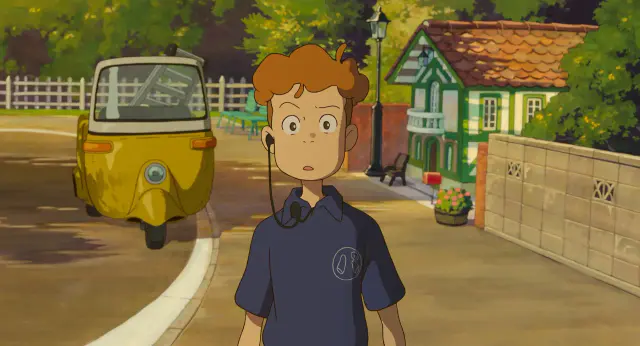
Studio Ghibli Park Extends Screening of 'A Night in the Valley of Witches' to June 2027
If you’re planning a trip to Japan soon, you’ll have a better chance of seeing A Night in the Valley of Witches. Studio Ghibli is world-famous for its feature-length anime movies, but what a lot of fans don’t know is that the studio has a roster of animated shorts that are just as captivating.
via SoraNews24

My Neighbor Totoro LEGO Prototype Set Reaches Official Review Queue
Hayao Miyazaki's classic anime film, My Neighbor Totoro, earns yet another chance to become the star of Studio Ghibli's first official LEGO set.
via CBR Anime